
Your First Pistol Lesson

If you’ve never fired a handgun before, your beginner pistol training lesson can seem intimidating.
You may wonder whether the gun will be difficult to control, how much recoil you’ll feel, whether you’ll hit the target, or whether you’re supposed to know something about firearms before you arrive.
You’re not expected to know anything at all.
That’s exactly what beginner pistol training is for.
At CCW Training Academy, we approach introductory training from the beginning. We don’t assume that a new student already understands handgun safety, shooting fundamentals, or even the terminology instructors use.
That’s important because someone may have fired a handgun before and still never have learned the fundamentals correctly. In fact, some shooters don’t even realize that there’s a specific set of fundamentals behind accurate pistol shooting.
So, when someone comes to CCW Training Academy for a beginner pistol lesson, we start at the beginning.
Whether you call it beginner handgun training, introductory pistol training, basic handgun training, or simply learning how to shoot a pistol, our objective remains the same: build a strong foundation of safe and correct habits.
This article explains how CCW Training Academy approaches beginner pistol instruction. Other instructors and firearms academies may teach differently.
First, We Start With Firearm Safety

At CCW Training Academy, we teach and reinforce four fundamental rules:
- Always treat every firearm as though it’s loaded.
- Never point a firearm at anything you’re not willing to destroy.
- Keep your finger off the trigger until you’re on target and ready to fire.
- Know your target and what’s beyond it.
These rules aren’t something we mention once and forget.
They govern everything that follows.
Before a beginner starts manipulating or firing a handgun, I want the student to understand not only the words, but also how those safety rules apply to everything we’ll do during the lesson.
Only then do we begin building the shooting foundation.
The Fundamentals Are Your Foundation
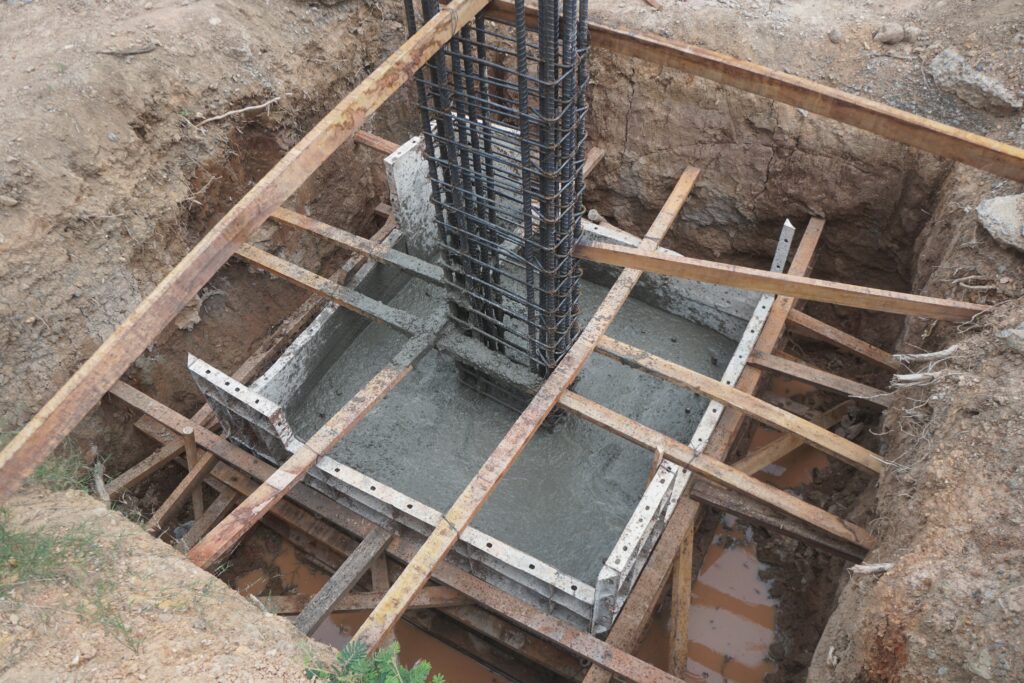
Think about building a high-rise.
You wouldn’t start with the penthouse.
First, you’d build a foundation strong enough to support everything you intend to build above it.
Pistol shooting works the same way.
The fundamentals create that foundation.
A student may ultimately want nothing more than to become a safe, accurate recreational shooter. Another student may want to carry a concealed firearm for personal protection. Still another may eventually want advanced defensive and tactical training.
However high the student wants to build, the structure still rests on the same foundation.
At one end, we have the beginner learning how to fire an accurate first shot.
At the other end—the penthouse—we may eventually have advanced tactical pistol skills, close-quarters defensive shooting, movement, decision-making under stress, and the psychological side of armed self-defense.
But none of that replaces the fundamentals.
It builds on them.
The Eight Fundamentals of Pistol Shooting
At CCW Training Academy, we teach the fundamentals in this order:
Stance, grip, sight alignment, sight picture, breath control, trigger control, follow-through, and recovery.
Each fundamental supports the next. Therefore, we don’t treat them as isolated techniques.
Stance
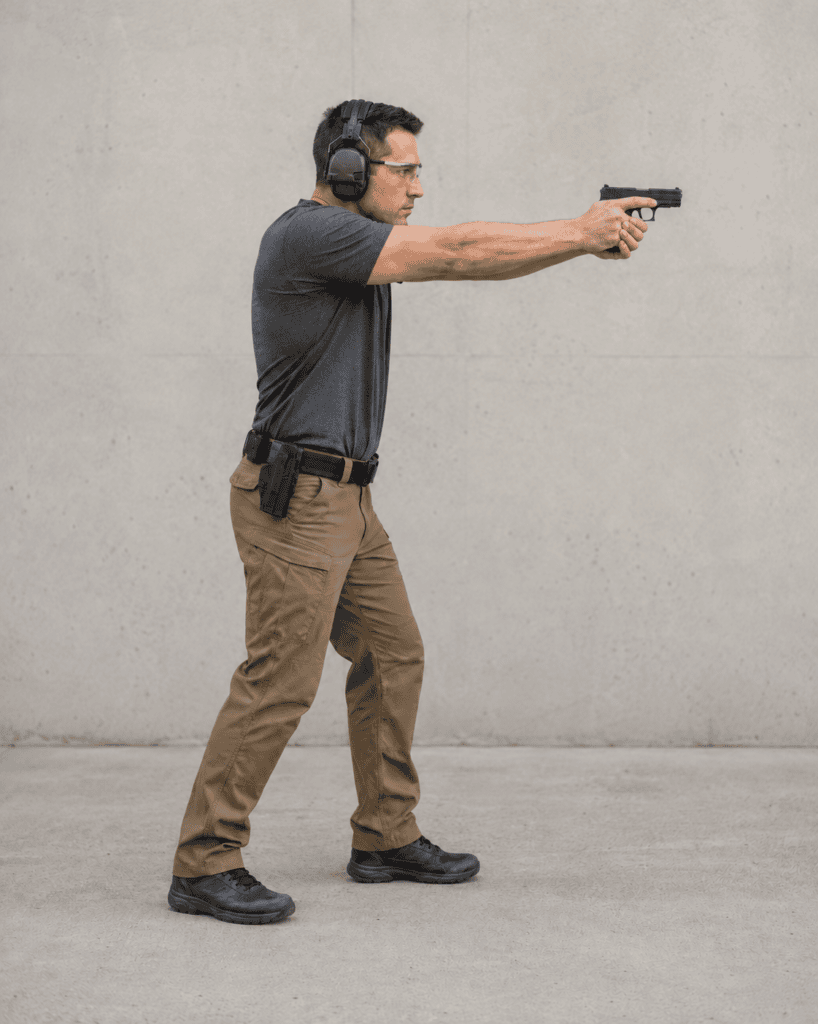
Your stance creates the physical platform for everything that follows. It provides balance, helps you manage recoil, and puts your body in a position that allows you to control the handgun consistently.
If the foundation moves unpredictably, everything above it moves too.
That’s why stance comes first.
Grip
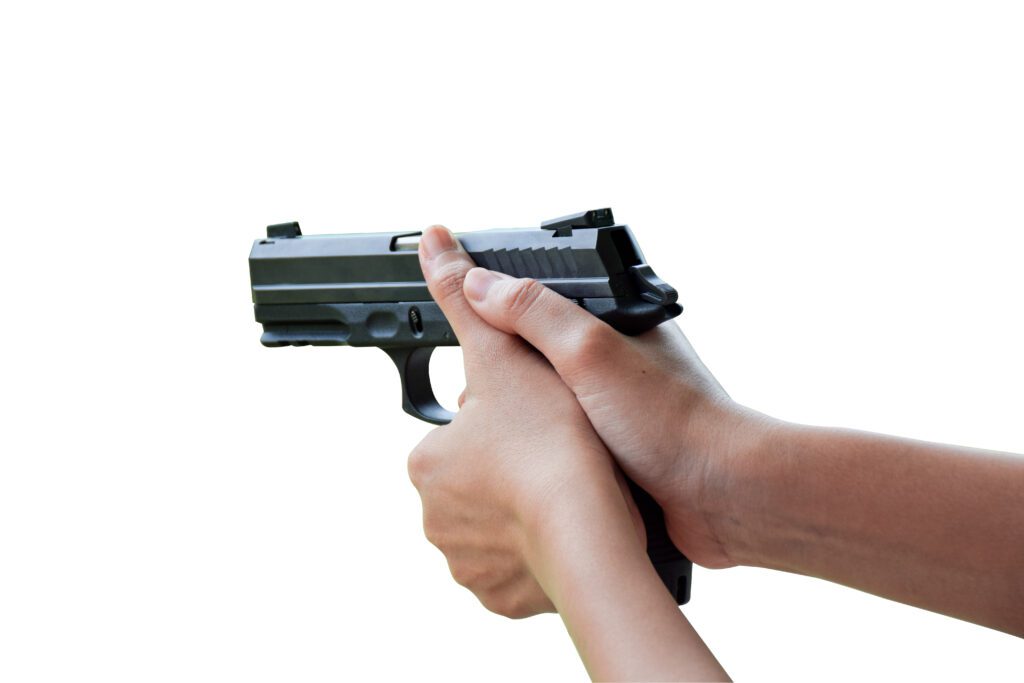
Your grip connects you to the pistol.
A proper grip helps stabilize the handgun, control recoil, and return the sights to the target after the shot.
Moreover, consistency matters. If you grip the handgun differently from one shot to the next, the gun can behave differently from one shot to the next.
So we work toward building the same grip every time.
Sight Alignment
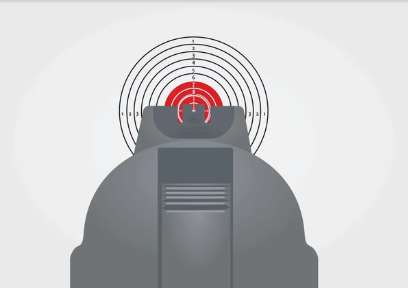
Next, we establish sight alignment.
With traditional handgun sights, sight alignment refers to the relationship between the front sight and the rear sight.
The shooter must position them correctly in relation to one another.
A small sight-alignment error at the handgun can become a much larger error by the time the bullet reaches the target.
Therefore, we teach the student to recognize correct sight alignment rather than simply hoping the gun points in the right direction.
Sight Picture
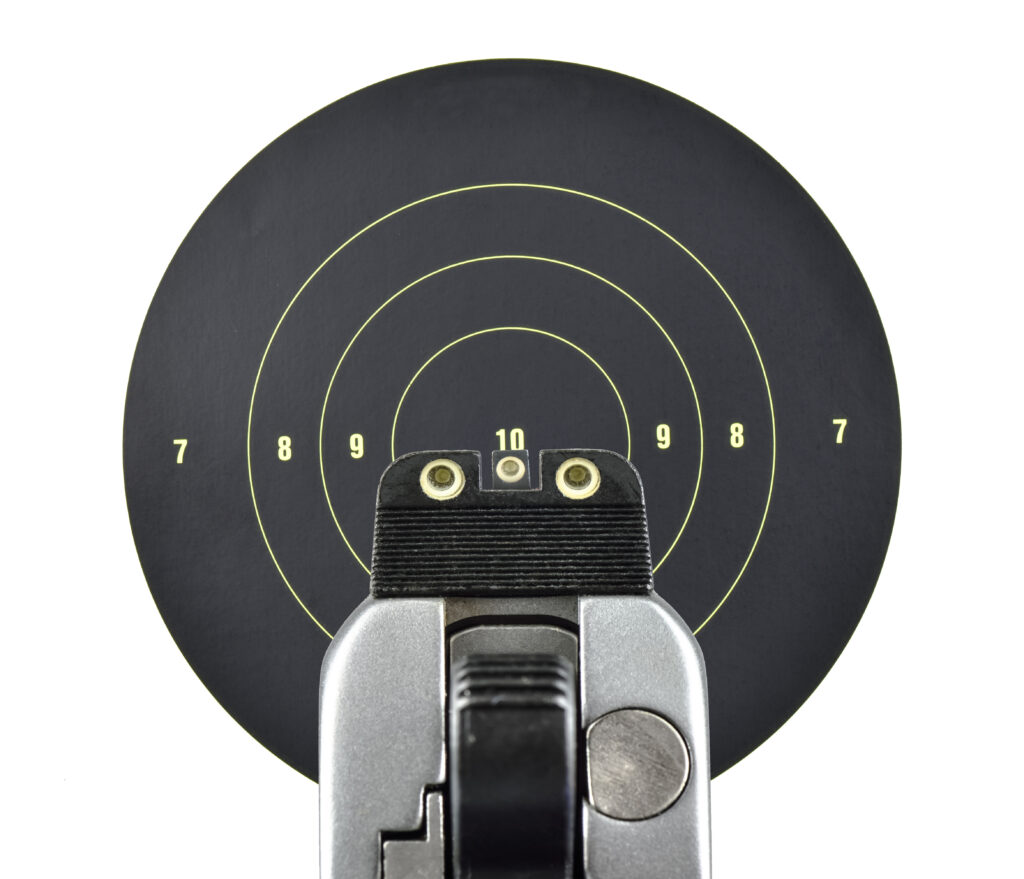
That creates the sight picture.
Sight picture describes the relationship between the properly aligned sights and the point on the target where you intend the bullet to strike.
Sight alignment and sight picture work together, but they aren’t the same thing.
First we align the sights.
Then we place that aligned sight system where we want the shot to go.
Breath Control
Next comes breath control.
Breathing moves your body, and body movement can move the handgun.
Therefore, a shooter learns to control breathing rather than allow it to interfere with the shot.
We’re not talking about holding your breath until you become uncomfortable.
Instead, we teach the student to recognize how breathing affects stability and how to incorporate breath control into a calm, repeatable shooting process.
Trigger Control
Then we get to one of the most important fundamentals: trigger control.
The shooter must press the trigger without steering or disturbing the handgun.
However, there’s more to trigger control than simply pulling the trigger smoothly.
Where the trigger contacts your finger matters.
During training, we determine where the trigger should contact the pad of that individual student’s trigger finger.
For example, with a right-handed shooter, placing the trigger too close to the fingertip can tend to steer the handgun to the left. Placing it too deeply toward the finger joint can tend to steer the handgun to the right.
So rather than telling every student that one exact spot works for everybody, we experiment and determine where the trigger belongs on that shooter’s finger for the most accurate and consistent results.
Then we work on the press itself.
The goal is to move the trigger without moving the sights away from where the student wants the bullet to go.
As the student progresses, we also introduce trigger reset.
Instead of completely removing the finger from the trigger after every shot, the shooter learns to allow the trigger forward only far enough to reset and return to the wall. The wall is where the trigger offers resistance as it is being pressed for the first time. That reduces unnecessary trigger movement and prepares the shooter for a controlled follow-up shot.
For a brand-new shooter, however, we introduce this progressively. Safety and correct trigger manipulation come first. Speed comes much later.
Follow-Through
After the gun fires, we don’t abandon everything we just did.
That’s follow-through.
The shooter maintains the grip, stance, visual discipline, and control of the handgun through the completion of the shot. He holds it there for a couple of seconds before resetting the trigger. As the student’s mind learns exactly where the reset point is, he is able to press the trigger very quickly without moving the gun off target.
Think about other sports.
A golfer doesn’t stop the club the instant it strikes the ball.
A basketball player doesn’t instantly pull his shooting hand away at the moment the ball leaves his fingertips.
A pool player doesn’t jab the cue ball and stop the cue dead on contact.
Follow-through forms part of the complete movement.
Pistol shooting works the same way.
Recovery
Finally, we recover.
After recoil moves the handgun, the shooter brings it back to the proper shooting position, reacquires the sights, maintains the grip and stance, and prepares for whatever comes next.
During introductory training, that may simply mean preparing to fire another deliberate shot.
Later, recovery becomes increasingly important because defensive shooting may require rapid, accurate follow-up shots.
So the shooting cycle doesn’t end when the gun fires.
The shooter completes the shot, follows through, recovers, and prepares to continue.
Why These Fundamentals Matter So Much
A student recently sent me an observation after training that summed this up extremely well.
He realized that shooting shares many of the same principles found in other activities that require skill, discipline, practice, and dedication.
Think about shooting pool.
Stance matters. Breathing matters. Follow-through matters.
The same principles appear in golf, tennis, basketball, baseball, martial arts, and countless other physical skills.
A golfer can’t ignore his stance and follow-through simply because he wants to hit the ball harder.
A basketball player can’t abandon shooting mechanics and expect consistent free throws.
Likewise, a pool player who changes his stance and stroke on every shot will struggle to produce consistent results.
Pistol shooting follows the same principle.
Consistency comes from performing the fundamentals correctly and repeating them until they become natural.
That’s why we don’t measure beginner pistol training by how quickly someone can empty a magazine.
Instead, we concentrate on building the fundamentals correctly.
Initially, a new shooter may consciously think:
Stance. Grip. Sights. Breathing. Trigger. Follow-through. Recovery.
However, practice gradually changes that.
With correct repetition, the shooter needs less conscious thought to perform each step.
Eventually, the fundamentals begin to work together as one coordinated action.
That’s how skill develops.
What Does the First Shot Feel Like?
For many first-time shooters, recoil creates the biggest concern.
In fact, there’s often more anxiety before the first shot than after it.
So before the student fires, we explain what’s going to happen.
The student should understand the sound, the movement of the handgun, and how stance and grip help control recoil.
The objective isn’t to prove that someone can tolerate the most powerful handgun available.
The objective is to learn.
Therefore, when appropriate, we may begin with a softer-shooting handgun so the student can concentrate on the fundamentals instead of worrying about excessive recoil.
Then, as skill and confidence improve, the student can progress from there.
Recoil Management Is a Skill
Recoil isn’t simply something you endure.
You learn to manage it.
Proper stance, grip, follow-through, and recovery allow the handgun to move while keeping that movement controlled and predictable.
Nevertheless, many beginners anticipate recoil.
They may tense up, push the handgun forward, tighten their hands abruptly, or otherwise react before the shot actually fires.
Those reactions can move the sights and reduce accuracy.
Therefore, an instructor needs to watch the student closely and identify what’s actually causing the problem.
Simply firing more ammunition won’t necessarily fix it.
Correct practice does.
Don’t Judge Your First Lesson Only by the Target
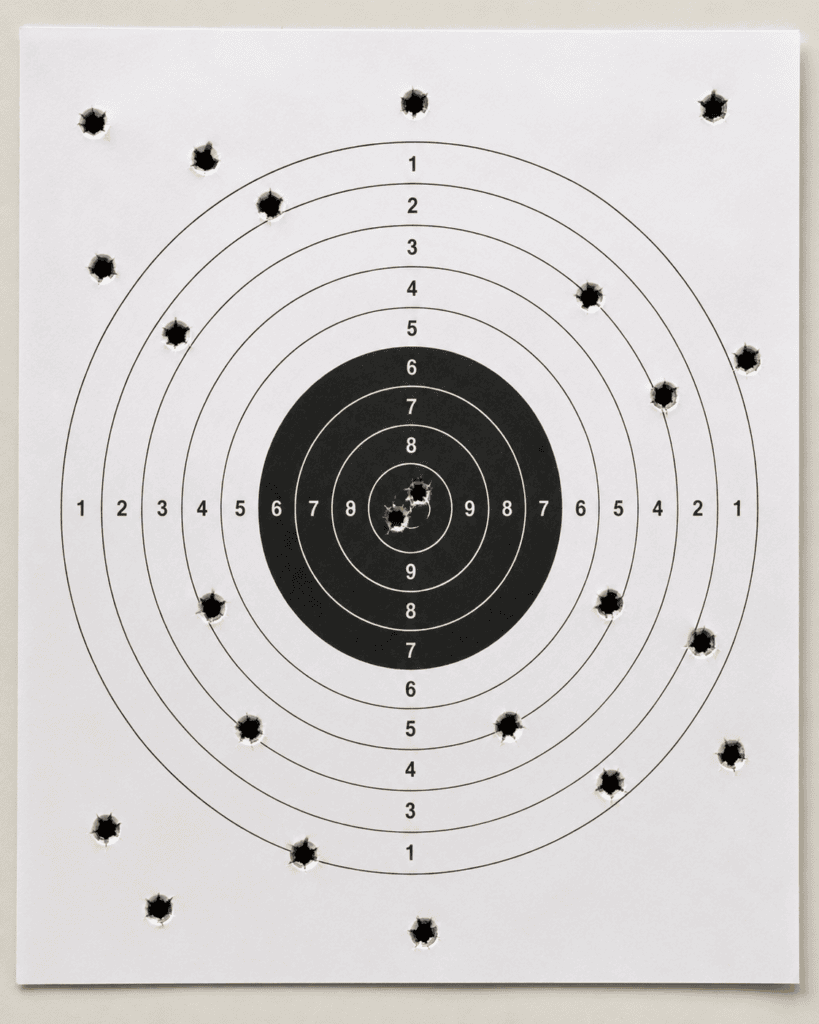
However, the holes in the paper tell only part of the story. At CCW Training Academy, we also watch how the shooter produces those holes.
Does the stance stay consistent?
Does the grip change?
Are the sights aligned properly?
Does the shooter disturb the handgun during the trigger press?
Follow through, does the shooter follow through?
Does the student recover properly for the next shot?
Most importantly, does the student continue handling the firearm safely?
A beginner may shoot an excellent group while still making technical mistakes.
Conversely, another student may initially shoot a larger group while making rapid improvements in the fundamentals.
So we don’t judge progress from one target alone.
We look at the entire shooting process.
Common Beginner Pistol Training
Problems Are Normal
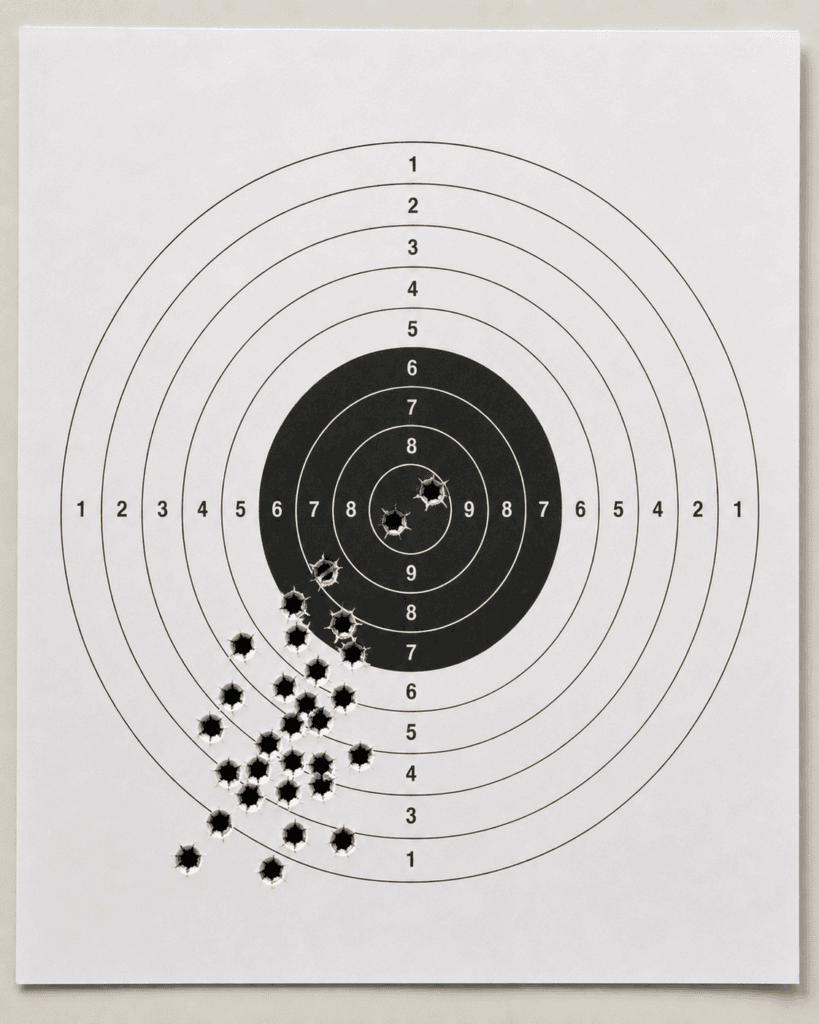
One student may struggle with trigger control.
Another may have difficulty seeing the sights.
Someone else may struggle to operate the slide, load a magazine, maintain a consistent grip, or manage recoil.
That’s normal.
People differ in hand size, strength, vision, coordination, experience, and even how easily a particular handgun fits their hands.
Therefore, we adapt the instruction to the individual student.
However, we don’t skip the fundamentals simply because someone says, “I’ve shot before.”
If you’re taking a beginner pistol lesson at CCW Training Academy, we’re going to make sure the foundation exists before we start building higher.
Should You Buy a Handgun Before Your First Lesson?
Not necessarily, and preferably not.
In fact, taking some introductory pistol training before purchasing a handgun can help you make a much better decision.
A pistol that works wonderfully for your friend, spouse, salesperson, or relative may not work nearly as well for you.
Grip size, trigger reach, recoil, hand strength, ease of operating the controls, intended use, and individual comfort all matter.
Therefore, some experience before buying can help a new shooter understand what actually matters rather than relying entirely on someone else’s recommendation.
How Quickly Does a Beginner Learn?
Everyone learns differently.
Some first-time shooters improve remarkably quickly.
Others need additional repetitions before the fundamentals begin to feel natural.
That’s fine.
You’re not competing with the shooter next to you.
The important question is whether you’re improving.
A first lesson can build the foundation, but one lesson doesn’t create mastery.
Again, think about golf, tennis, basketball, pool, or martial arts.
You wouldn’t expect one lesson to make you an expert.
Firearms training works the same way.
Instruction teaches you what to practice and how to practice it.
Then repetition begins turning knowledge into skill.
Your First Pistol Lesson Is the Beginning, Not the End
Learning to fire a handgun safely and accurately represents an important accomplishment. And like all skills, Rome wasn’t built in a day.
However, it’s only the beginning.
Where you go next depends on why you wanted to learn to shoot.
A recreational shooter may want greater accuracy and consistency.
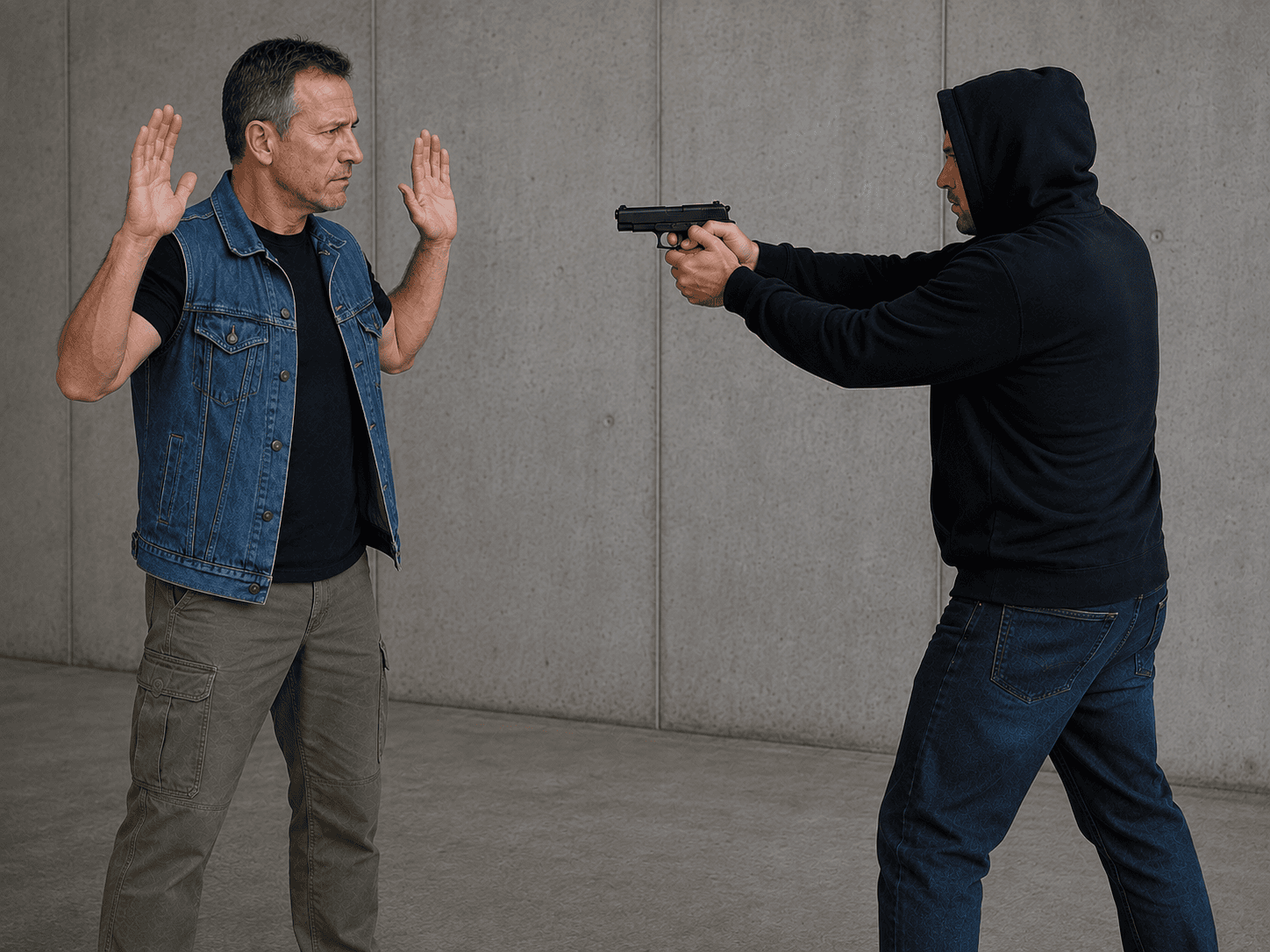
On the other hand, someone who keeps or carries a handgun for personal protection eventually needs a much broader set of skills.
Defensive shooting involves much more than standing still and shooting at paper.
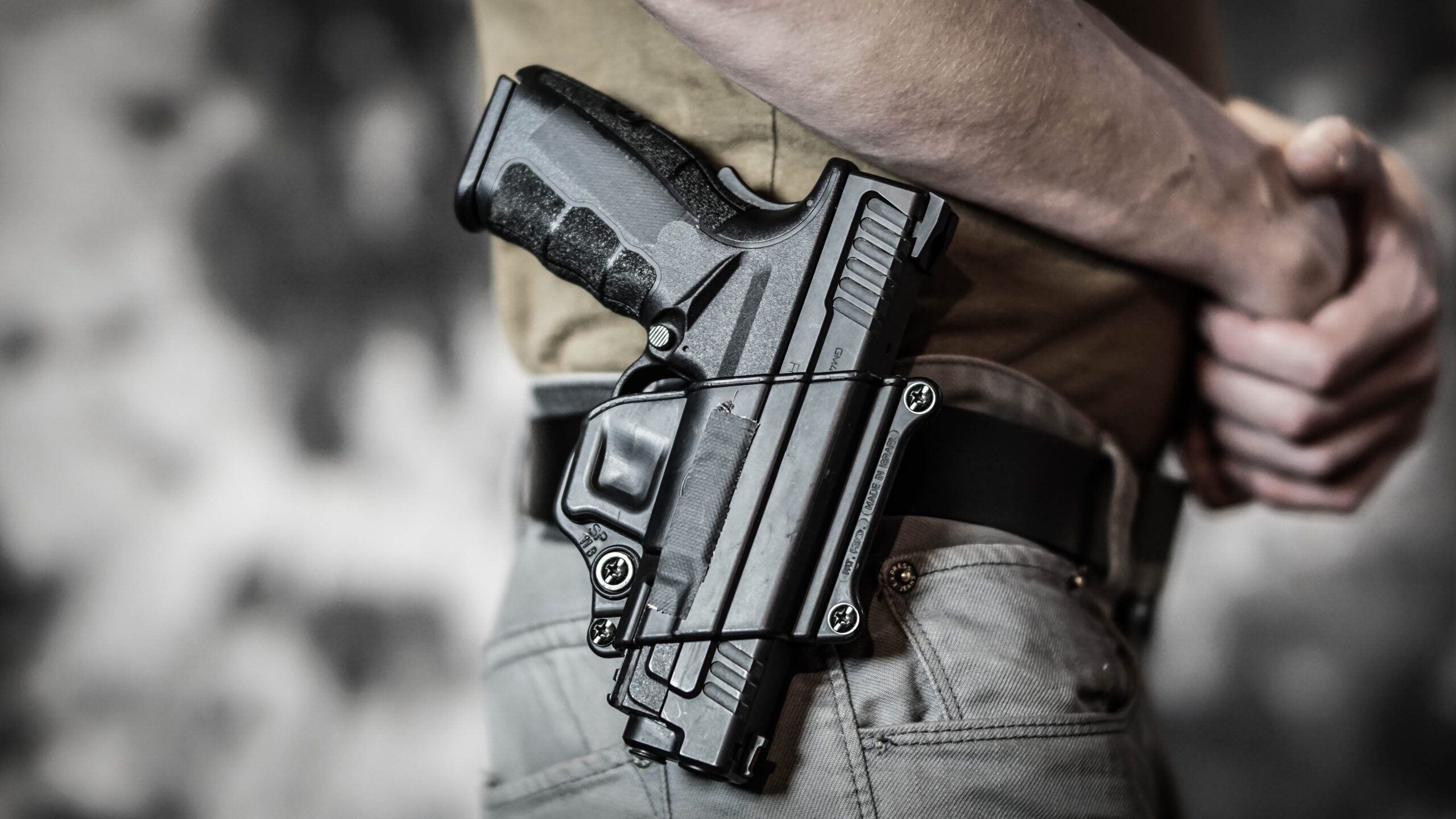
Once the student’s fundamentals become dependable, training can progress into drawing from concealment, movement, close-quarters defensive pistol skills, and shooting under increasing levels of pressure.
Moreover, there’s a psychological and decision-making side to armed self-defense.
Advanced training can address situational awareness, pre-attack indicators, criminal deception and distraction, decision-making during rapidly developing threats, and the effects of extreme stress on perception and performance.
That’s the penthouse.
But the penthouse still depends on the foundation underneath it.
First, learn firearm safety. Then build the fundamentals. Practice until those fundamentals become dependable. After that, start learning how to apply them under increasingly realistic conditions.
Beginner Pistol Training in Central Florida
CCW Training Academy provides beginner pistol training, introductory handgun training, and continuing firearms instruction for students throughout North Central Florida, including Summerfield, The Villages, Lady Lake, Leesburg, Ocala, Belleview, and surrounding communities.
You don’t need previous shooting experience.
You don’t need to practice before you come.
And you don’t need to pretend you know something you don’t.
We start at the foundation.
Then we help you build from there.
How far you take your training—and the level of skill you ultimately carry with you every day—is up to you.
About Alan B. Densky
Alan B. Densky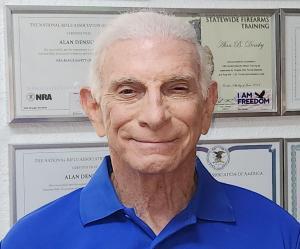
His training ranges from introductory pistol instruction for first-time shooters through advanced defensive and tactical pistol skills, with an emphasis on building sound fundamentals, realistic self-defense skills, decision-making, and the psychological side of armed encounters.