Florida Constitutional Carry
Florida’s adoption of Florida constitutional carry was hailed as a landmark victory for the Second Amendment. Supporters celebrated the freedom to carry without government permission, seeing it as a restoration of rights long overdue. However, beneath the celebration lies a Pandora’s box of legal traps and practical shortcomings that responsible gun owners must understand. In addition, permitless carry changes how federal and interstate rules affect you; therefore, clarity and training matter now more than ever. First, this article supports the principle of constitutional carry in Florida. On the other hand, freedom without responsibility can become liability. As a result, we’ll explore the federal school zone trap, reciprocity gaps, and the training illusions that well‑meaning gun owners often fall into—plus practical steps to stay safe, legal, and prepared.What Constitutional Carry Really Means in Florida
Under Florida constitutional carry, adults 21+ may carry a concealed firearm without a state permit. And as of September 25, 2025 it becomes full constitutional carry: To sum up, Florida open carry law as of that date allows law abiding gun owners to open carry. Where as previously, it was only legal in narrow circumstances (for example, while hunting, fishing, or camping). In addition, Florida continues to issue concealed carry licenses because permits still matter for reciprocity and certain federal exemptions. Therefore, with the addition of Florida permitless carry, in this author’s opinion, Florida now has constitutional carry. Next, let’s examine the legal minefields it doesn’t erase.The Federal School Zone Trap
For instance, the Federal Gun‑Free School Zones Act (18 U.S.C. § 922(q)) prohibits carrying a firearm within 1,000 feet of a school unless you have a state‑issued permit. If you rely solely on Constitutional permitless carry, you lose the licensed‑carrier exemption. As a result, simply driving past a school with a firearm in your vehicle could expose you to federal prosecution. In conclusion, this isn’t a theoretical risk; it’s a daily route‑planning problem in every city and town. To sum up, a Florida concealed carry license can function as a critical federal shield near school zones. Therefore, many responsible carriers maintain their permit even under Florida constitutional carry.Reciprocity: Freedom Stops At The State Line
Florida’s concealed carry license is honored in many states; however, permitless carry does not grant you reciprocity across borders. For example, a traveler crossing into a state that requires a permit cannot rely on constitutional carry alone. As a result, unaware carriers risk detention or prosecution when traveling. In addition, interstate rules change frequently. Therefore, before you travel, review current reciprocity details: see the Florida reciprocity guide at USCCA (where this autor insures himself) for up‑to‑date information and practical itineraries that minimize risk.The Training Mirage: Legal and Hard‑Skill Gaps
Furthermore, Florida constitutional carry can create an unintended impression that training is optional. On the other hand, ignorance of self‑defense law and poor execution under stress are what turn good intentions into bad outcomes. For instance, misunderstanding “stand your ground” versus “duty to retreat,” or misjudging when deadly force is legally justified, can invite criminal charges and civil liability. See our article Police Response Time Florida for why relying on others is not enough.Hard Skills Under Stress
Next, the physical side: drawing safely under pressure, retaining your weapon in a clinch, and making shoot/no‑shoot decisions in seconds are not YouTube skills—they’re lived, coached, and pressure‑tested. For example, Parking Lot Self-Defense illustrates how ordinary encounters can escalate quickly. As a result, training ensures you don’t walk into a minefield unprepared. In conclusion, well‑meaning carriers often overestimate what online drills can teach. However, respectful, scenario‑based coaching turns good intentions into dependable performance without putting anyone on the defensive. See Scenario-Based CCW Training – Why It Matters for Older Adults for a deeper look at tailored instruction.Why Scenario‑Based Training Still Matters (Even With Permitless Carry)
In addition, training is not a checkbox; it’s the bridge between rights and responsibility. Therefore, invest in progressive, scenario‑based instruction that integrates law, tactics, and decision‑making. For instance, our Advanced Pistol Training article explains why even experienced shooters benefit from coaching. To sum up, Florida constitutional carry gives you the right to carry. Training ensures you know what to do when everything goes wrong.Supportive But Realistic
Constitutional carry is a victory for freedom. However, freedom without preparation is a false sense of security. As a result, responsible carriers maintain permits for reciprocity, learn federal constraints like school zones, and train both the mind and body. In addition, community standards rise when ethical training accompanies expanded rights. See Owning a Gun Isn’t Enough – The Dangerous Myth of Self-Defense Readiness for more perspective.Key Shortcomings At A Glance
| Shortcoming | Details | Impact |
|---|---|---|
| Federal school zones | 1,000‑foot rule applies unless you have a state permit | Serious federal exposure during routine travel |
| Reciprocity gaps | Permitless carry does not travel across state lines | Detention or prosecution when crossing borders |
| Legal knowledge | Misunderstood self‑defense law and post‑incident conduct | Criminal/civil liability and reputational harm |
| Hard skills | Draw stroke, retention, and decision‑making under stress | Poor performance when adrenaline spikes |
| Training illusion | Online videos create false confidence | Unprepared during real violence |
In Conclusion
Florida constitutional carry is both a victory and a Pandora’s box. Therefore, support it—and pair it with permits for travel, legal education for clarity, and scenario‑based training for reliability. In conclusion, rights endure when responsibility keeps pace; freedom thrives when preparation is the norm. Ready to turn principle into practice? Register for training and review reciprocity rules before your next road trip. To sum up, Florida constitutional carry is a powerful affirmation of freedom, but it also opens doors to legal and practical challenges. Therefore, the responsible path is to embrace the right while preparing for the realities: maintain a permit for reciprocity, understand federal restrictions like school zones, and commit to scenario‑based training that builds both judgment and skill. About the Author:
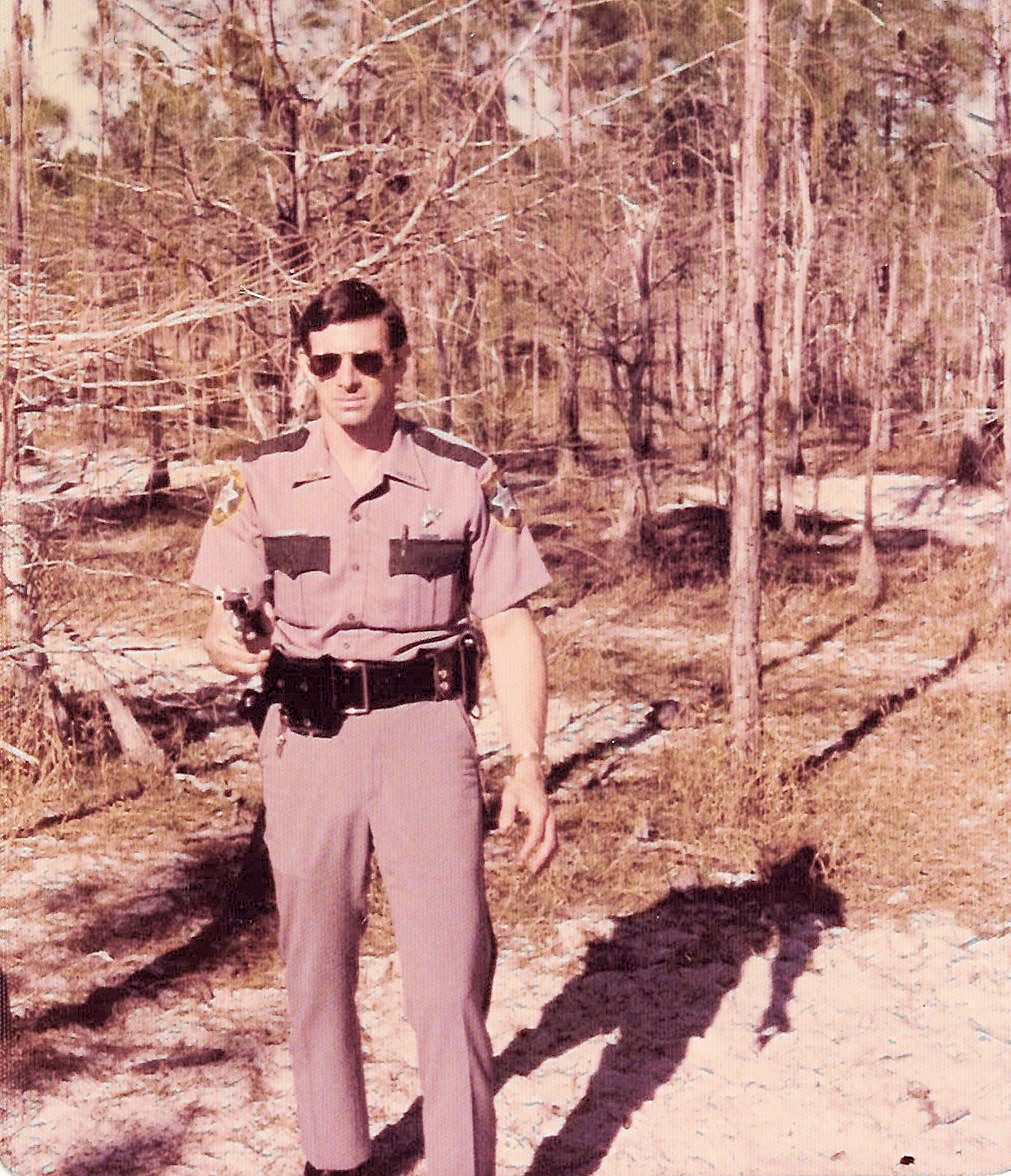
Alan B. Densky is the Founder & Lead Instructor at CCW Training Academy in Summerfield, FL. A former deputy sheriff, professional hypnotherapist, and scenario-based tactical instructor, Alan includes teaching firearms safety and self-defense laws in every course. He enjoys helping active adults 45+ build real-world defensive confidence through practical, competent firearms training.
Learn more about Alan B. Densky |
Read Student Reviews |
Get Trained, Get Real Confidence
About the Author:
Alan B. Densky is the Founder & Lead Instructor at CCW Training Academy in Summerfield, FL. A former deputy sheriff, professional hypnotherapist, and scenario-based tactical instructor, Alan includes teaching firearms safety and self-defense laws in every course. He enjoys helping active adults 45+ build real-world defensive confidence through practical, competent firearms training.
Learn more about Alan B. Densky |
Read Student Reviews |
Get Trained, Get Real Confidence