
Many shooters believe years of practice make them fully prepared for self-defense. That belief is dangerous. Skill without coaching leads to blind spots, bad habits, and false confidence. In reality, advanced pistol training with a qualified instructor ensures readiness, accountability, and legal credibility.
Self-defense is not just about pulling a trigger. It’s about decision-making under stress, understanding the law, and executing skills with precision when seconds matter. Even experienced shooters need an instructor to refine their abilities, correct unseen mistakes, and prepare for real-world scenarios.
Advanced Pistol Training Builds Real World Readiness
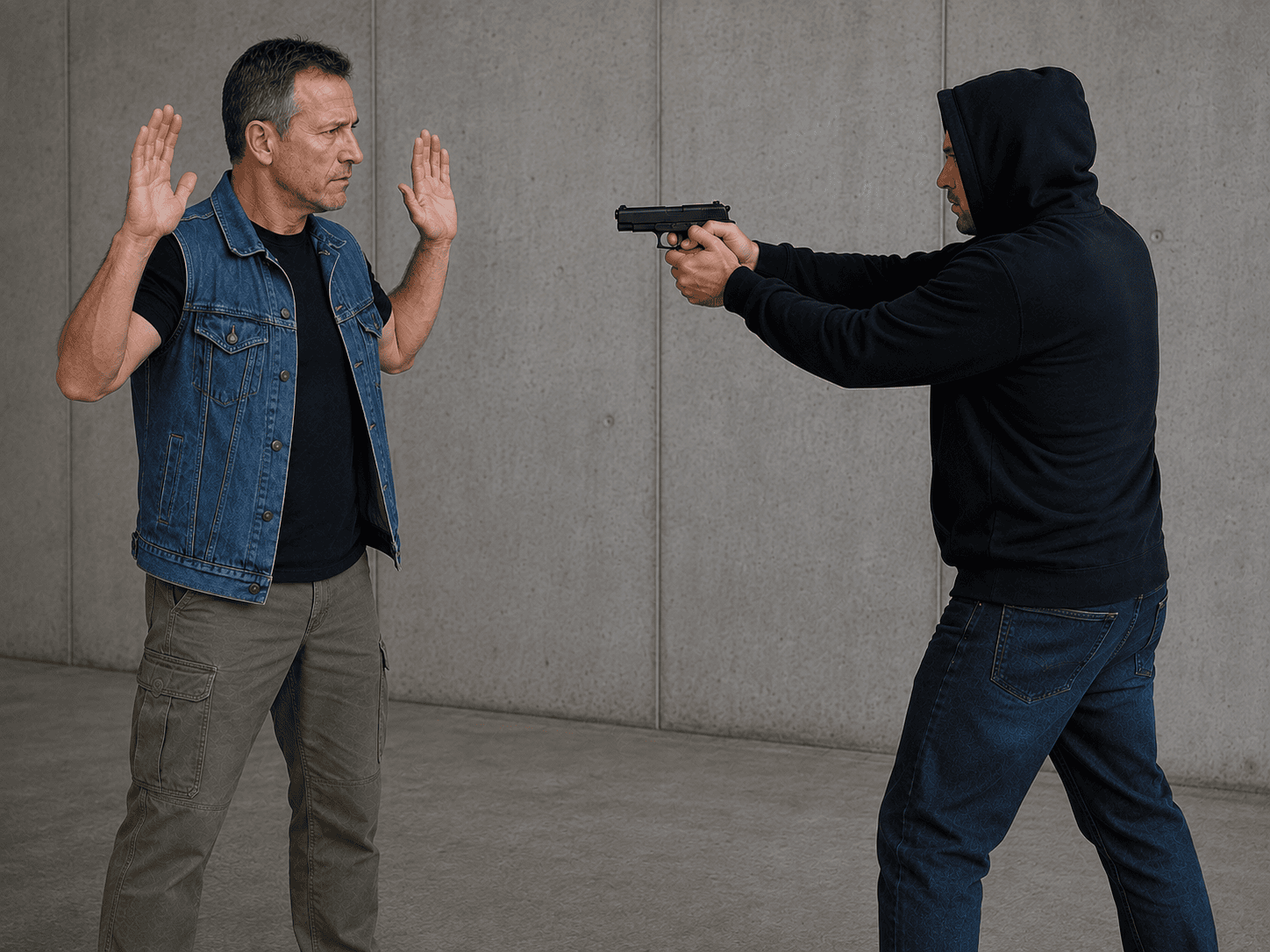
Advanced pistol training is more than target practice. It builds readiness by coaching shooters through scenarios that simulate real-world threats. Instructors teach shooters how to move, reload, and engage multiple targets under stress.
Training also covers legal responsibilities. A shooter who acts without understanding the law risks criminal charges. Instructors integrate scenario-based coaching with legal awareness, ensuring students know when to draw, when to disengage, and how to articulate their actions in court.
Shooters Cannot See Their Own Mistakes
A shooter cannot observe his own mistakes. Grip, stance, reload speed, and sight alignment errors often go unnoticed. Only an experienced instructor can catch these flaws and show the shooter how to correct them.
For example, a shooter may believe his tactical pistol reload is smooth. An instructor spots wasted motion that costs precious seconds. A shooter may think his draw is fast, but an instructor times it and demonstrates how to shave off critical seconds and tenths of a second. Without expert eyes, shooters reinforce bad habits instead of improving.
Self-Defense Pistol Drills
Require Expert Oversight
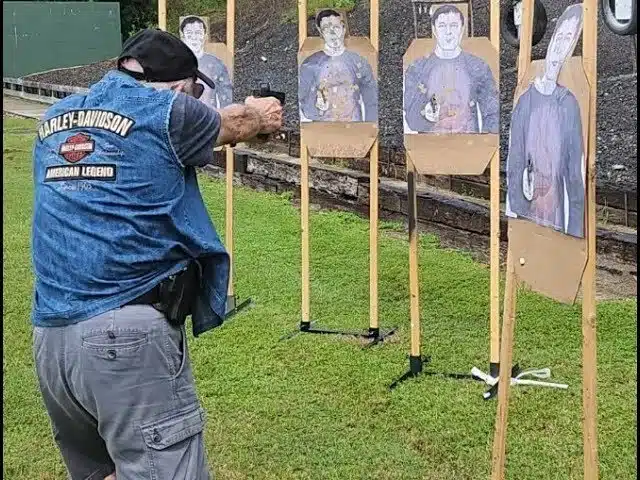
Self-defense pistol drills simulate stress, movement, and multiple threats. Practicing alone often leads to repetition of mistakes. Instructors provide structured feedback, ensuring drills build skill instead of false confidence.
Combat drills demand precision. An instructor observes body mechanics, timing, and decision-making. They correct errors before they become ingrained habits. This oversight transforms drills into effective training that prepares shooters for real-world encounters.
Why Older Citizens Benefit
from Advanced Pistol Training
Older people face unique challenges: slower reflexes, reduced stamina, and sometimes outdated habits. Instructors adapt shooting scenarios to physical realities while maintaining effectiveness.
For example, an older citizen practicing tactical pistol speed reloads may waste motion or struggle with grip strength. An instructor teaches efficient techniques that conserve energy while maintaining speed. Coaching ensures older shooters remain capable defenders without compromising safety.
Scenario-Based Coaching
Prevents Legal Mistakes
Shooting skill alone doesn’t prepare someone for the courtroom. During advanced pistol training, instructors teach scenario-based decision-making: when to use a non-lethal weapon, when to draw a firearm, when to disengage, and how to articulate actions legally.
The CCW Training Academy provides structured lessons that combine shooting drills and skills with legal coaching. Students learn not only how to shoot but also how to justify their actions. This combination prevents costly mistakes and builds confidence in both skill and judgment.
Accountability and Growth Through Tactical Firearms Training Near Me
Local advanced pistol training ensures shooters stay accountable. Searching for tactical firearms training near me connects shooters with qualified experts who provide ongoing training.
Instructors push students beyond comfort zones. They introduce new drills, correct errors, and track progress. This accountability ensures shooters continue to grow instead of plateauing. Without coaching, even experienced shooters stagnate.
Tactical Pistol Shooting Drills Improve Speed and Accuracy
Tactical pistol shooting drills refine muscle memory and reaction time. Instructors ensure shooters practice correctly, avoiding wasted effort.
For example, a shooter practicing alone may believe his draw is fast. An instructor times it, identifies inefficiencies, and demonstrates improvements. Coaching transforms drills into measurable progress, building speed and accuracy that matter in real-world encounters.
Why Tactical Firearms Websites and Academies Matter
A tactical firearms website provides valuable information, but it cannot replace live coaching. Online resources explain advanced pistol training, but only an instructor can observe and correct mistakes in real time.
Websites and academies complement each other. A shooter may learn about drills online, then refine them under an instructor’s guidance. This combination ensures knowledge translates into skill.
Continuous Improvement
Through Expert Coaching
Even elite shooters benefit from coaching. Instructors refine advanced skills like tactical pistol reloads and combat pistol drills, ensuring shooters never plateau.
Continuous improvement separates hobbyists from truly prepared defenders. Instructors challenge shooters with new scenarios, advanced drills, and legal coaching. This growth builds confidence, competence, and readiness.
Conclusion: Experience Needs Guidance
Experience builds confidence, but confidence without coaching is dangerous. A shooter cannot see his own mistakes. Only an instructor can observe, correct, and elevate performance.
Whether you’re an older citizen, a family protector, or a CCW holder, advanced pistol training ensures readiness, accountability, and legal credibility. Experience is valuable, but instruction transforms it into reliable, legally defensible self-defense.
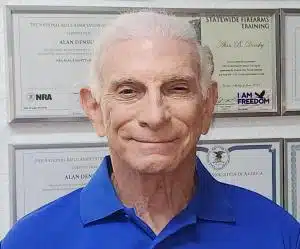
About the Author:
Alan B. Densky is the Founder & Lead Instructor at CCW Training Academy in Summerfield, FL. A former deputy sheriff, professional hypnotherapist, and scenario-based tactical instructor, Alan includes teaching firearms safety and self-defense laws in every course. He enjoys helping active adults 45+ build real-world defensive confidence through practical, competent firearms training.
Learn more about Alan B. Densky |
Read Student Reviews |
Get Trained, Get Real Confidence