The 5 Types of Self-Defense Encounters—and How to Train for Each
A Special Gun You Can Shoot Inside Your House
The 5 Types of Self-Defense Encounters—and How to Train for Each
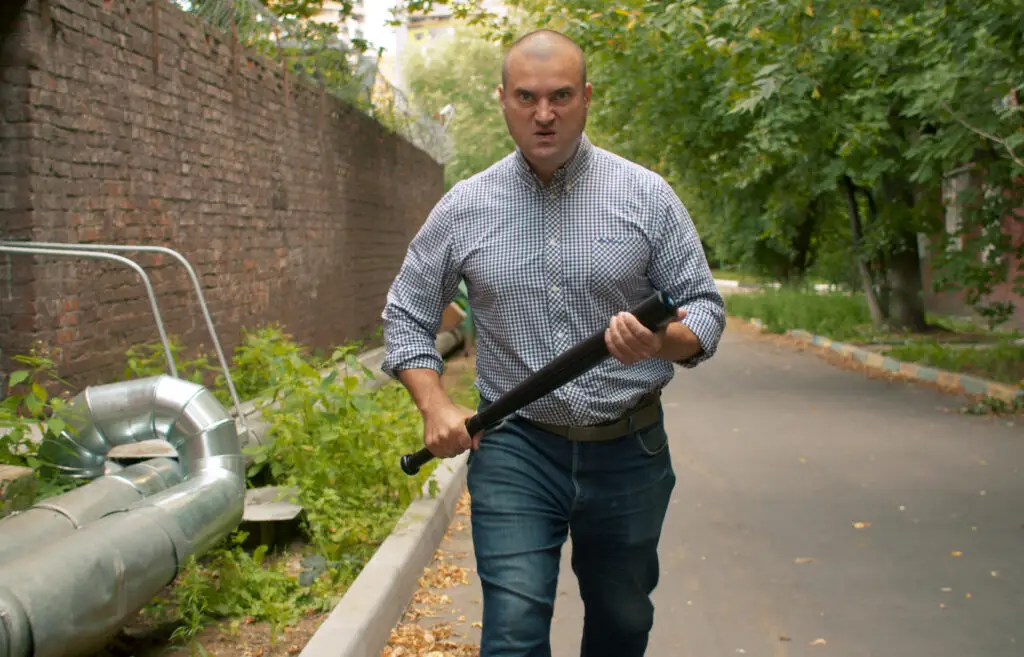
Prepare to meet an angry bully with a baseball bat in his hands attacking someoneNo two defensive situations are alike. Some creep in slowly. Others erupt in an instant. If you carry for protection—especially as a seasoned CCW holder or older citizen—it’s critical to understand the 5 distinct types of self-defense encounters you may face and how to train for each.
Here’s a breakdown of five key scenarios with actionable guidance rooted in real-world self-defense strategy, legal clarity, and age-appropriate tactics.
1. Confrontational Self-Defense: Managing Escalation Before It Explodes
Scenario: You’re approached aggressively in a parking lot. Tensions rise. Voices get louder. No contact has been made—yet.
Your goal: Avoid physical engagement if possible. Control the situation with presence and communication.
Train for:
Verbal de-escalation techniques that show control without provoking
Non-threatening yet ready posture and hand positioning
Recognizing when words turn to unlawful threat—and what response is justified
Scenario Drills: Use role-play exercises with verbal conflict escalation. Practice giving verbal warnings, backing away, and accessing cover or escape routes.
2. Ambush Self-Defense: Reacting When Seconds Count
Scenario: A stranger emerges from behind a vehicle. You’re startled. They’re aggressive and demand your valuables or attempt physical harm.
Your goal: Manage the initial shock, create distance, and survive.
Train for:
3. Third-Party Defense: Protecting Others Without Overstepping
Scenario: You witness a loud, aggressive exchange between a man and a woman in a store. He looks threatening. She appears distressed. You’re armed, experienced, and ready to step in.
Your goal: Resist the urge to intervene without understanding the situation fully—because that choice could cost you everything.
Here’s what most civilians forget: you don’t know what’s actually happening.
Is the man an undercover officer attempting a lawful arrest?
Is the woman the aggressor and the man defending himself?
Are you certain your intervention will improve the outcome—or make it far worse?
Even with good intentions, if you pull your firearm in a situation you misread, you could end up facing criminal charges, civil lawsuits, and the loss of your freedom.
Ask yourself: Are you ready to trade two years of your life and your life savings for one moment of mistaken “heroism”?Train for:
Tactical patience and clear observation before acting
Verbal commands and disengagement options
Legal consequences of inserting yourself into someone else’s conflict
Scenario Drills: Work through ambiguous role-play encounters. Debrief your observations. Reinforce being a good witness over rushing into action.
Key mindset: Courage isn’t just about stepping in—it’s about knowing when to hold back.
4. Home Defense: Protecting What You Value Most
Scenario:Your home is breached after dark and you must defend it. You hear movement and voices. Family members are scattered.
Your goal: Secure loved ones, move tactically, and defend only if absolutely necessary.
Train for:
Room-clearing strategy and safe zone planning
Communicating with family under duress
Threat ID in low-light environments to avoid tragic errors
Drills: Practice home movement with flashlights and verbal commands. Walk through scenarios from multiple rooms and entry points.
5. Post-Incident Survival: Staying Free After the Fight
Scenario: The threat is neutralized. Police are arriving. Your adrenaline is still surging.
Your goal: Avoid self-incrimination and preserve your legal standing.
Train for:
Minimal, factual communication with 911 and law enforcement
The ability to respectfully invoke your rights and request legal counsel
Scenario Drills: Simulate 911 calls and police interaction. Practice phrases like “I was attacked and had to defend myself. I need police and medical assistance.”
Smart Training for Every Stage of the Encounter
Self-defense isn’t just marksmanship—it’s mindset. Legal clarity. Tactical judgment. And the humility to know your limits.
Especially for older citizens and those undergoing CCW renewal, building a strategic training plan ensures you’re not just prepared to survive—but to stay free.
Personalized Firearms Coaching in Marion, Lake, and Sumpter Counties, FL
If you’re near Ocala, The Villages, Lady Lake, Summerfield, Belleview, or anywhere in North Central Florida, we offer customized, real-world training for:
Older citizens looking for confidence without high physical strain
CCW holders renewing their license who want meaningful refreshers
Experienced shooters ready to go beyond static range routines
Ready to Train for Reality?
Contact Alan B. Densky today to schedule your private session to prepare you for every phase of a defensive encounter. Let’s build your skills, sharpen your judgment, and prepare you for what really happens before, during, and after the moment of truth.
About the Author:
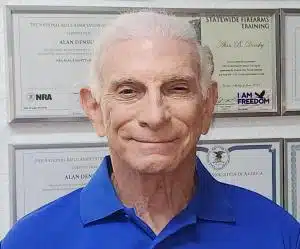
Alan B. Densky is the Founder & Lead Instructor at CCW Training Academy in Summerfield, FL. A former deputy sheriff, professional hypnotherapist, and scenario-based tactical instructor, Alan includes teaching firearms safety and self-defense laws in every course. He enjoys helping active adults 45+ build real-world defensive confidence through practical, competent firearms training.
Learn more about Alan B. Densky |
Read Student Reviews |
Get Trained, Get Real Confidence

 About the Author:
Alan B. Densky is the Founder & Lead Instructor at CCW Training Academy in Summerfield, FL. A former deputy sheriff, professional hypnotherapist, and scenario-based tactical instructor, Alan includes teaching firearms safety and self-defense laws in every course. He enjoys helping active adults 45+ build real-world defensive confidence through practical, competent firearms training.
Learn more about Alan B. Densky |
Read Student Reviews |
Get Trained, Get Real Confidence
About the Author:
Alan B. Densky is the Founder & Lead Instructor at CCW Training Academy in Summerfield, FL. A former deputy sheriff, professional hypnotherapist, and scenario-based tactical instructor, Alan includes teaching firearms safety and self-defense laws in every course. He enjoys helping active adults 45+ build real-world defensive confidence through practical, competent firearms training.
Learn more about Alan B. Densky |
Read Student Reviews |
Get Trained, Get Real Confidence