- Marion, Sumpter, Lake Counties
- alan@ccwinstructor.com
- Text (352) 459-2471
- CWL & Scenario Based Tactical Self-Defense Pistol Training

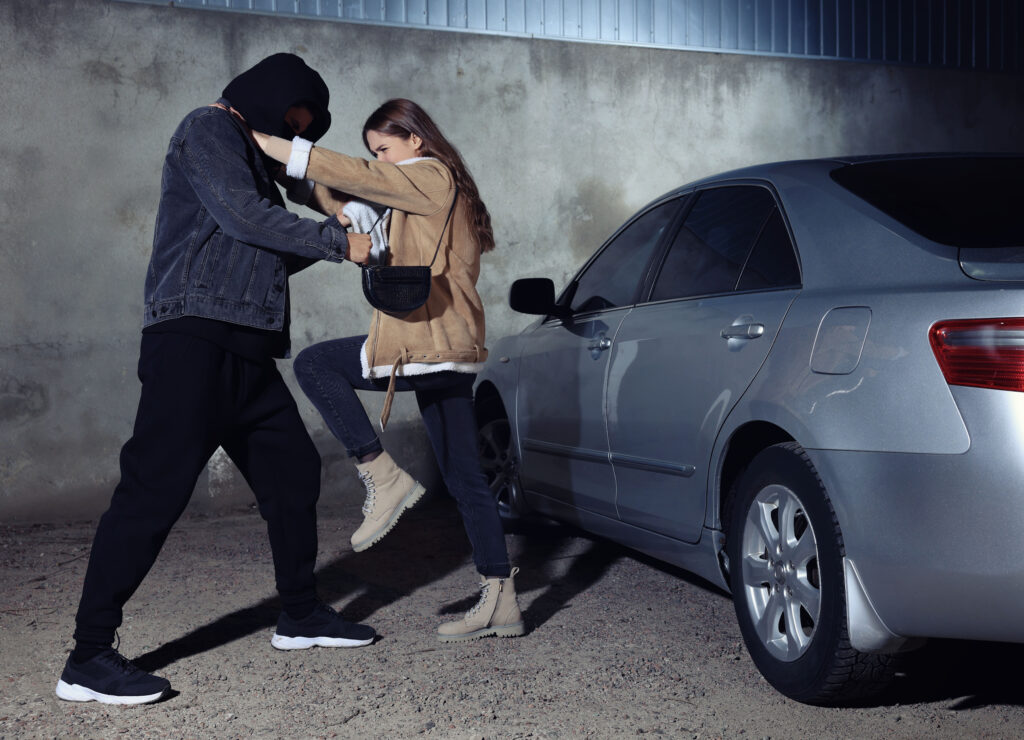
You’re walking to your car after a grocery run. It’s dusk. A man approaches quickly, asking for help—but something feels off. Your instincts kick in. What do you do? Have you ever even considered learning parking lot self-defense?
This scenario plays out more often than you’d think. Parking lots are transitional spaces—people are distracted, visibility is low, and escape routes are limited. That’s why Florida concealed carry self-defense training must include parking lot tactics.
As a former deputy sheriff and Certified Pistol Instructor, I’ve seen firsthand how quickly these moments escalate. That’s why our CCW training emphasizes real-world scenarios tailored for older people and families to prepare for parking lot dangers.
Situational Awareness Is Your First Weapon
Before you reach for any tool, use your brain. Here’s what to watch for:
Older people especially benefit from practicing these cues in scenario-based training for parking lot self-defense. We simulate these moments in our CCW classes so you’re not caught off guard.
Tip: When walking to your car, scan your surroundings. Avoid tunnel vision. Keep your keys in hand, but don’t fumble. If something feels wrong, trust your gut.
Verbal commands are the first step in parking lot self-defense. If someone approaches and you feel unsafe:
Most confrontations can be defused with assertive posture and voice. But if the threat escalates…
Training Insight: In our CCW classes, we teach students how to project authority without aggression. You’ll learn how to use tone, posture, and positioning to discourage escalation.
Parking lots offer both hazards and advantages:
Florida law allows concealed carry holders to use force if they reasonably believe it’s necessary to prevent imminent harm. But drawing your firearm is a last resort.
Before you draw:
Legal Note: Florida Statute 776.012 covers the use of force in self-defense. You must be able to articulate why you believed deadly force was necessary. That’s why we train you to think before you act.
Training Drill: In our scenario-based sessions, we simulate verbal commands, movement, and draw timing. You’ll learn how to issue a warning, draw safely, and disengage legally.
Older people face unique challenges:
Our Approach: We tailor every drill to your physical abilities. Whether you use a cane, walker, or simply prefer slower-paced instruction, we adapt the training to you.
Parking lot confrontations are unpredictable—but your response doesn’t have to be. With Florida concealed carry self-defense training, you’ll build muscle memory, legal clarity, and confidence.
If you’re an older person, a CCW holder, or someone who wants to feel safer in public spaces, our scenario-based lessons are designed for you.
Q: Can I legally draw my firearm if someone approaches me aggressively but hasn’t touched me?
A: Only if you reasonably believe you’re in imminent danger. Florida law requires that the threat be real and immediate. That’s why verbal commands and de-escalation are your first tools.
Q: What if I’m in a parking lot and someone blocks my car door?
A: Stay calm. Lock your doors. If you’re outside the vehicle, move away and issue a verbal command. If the person persists, call 911 and prepare to defend yourself only if necessary.
Q: Should I carry pepper spray or a flashlight in addition to my firearm?
A: Yes. Non-lethal tools give you options. A high-lumen flashlight can disorient an aggressor. Pepper spray offers a legal alternative in situations where deadly force isn’t justified.
Q: How often should I practice parking lot scenarios?
A: Monthly practice is ideal. Even 15 minutes of dry-fire drills and verbal command rehearsal can make a difference. We offer refresher sessions tailored for the older generation.
If you’re ready to feel more confident in public spaces, especially parking lots, join us for a fun and friendly CCW training session. You’ll learn:
About the Author:
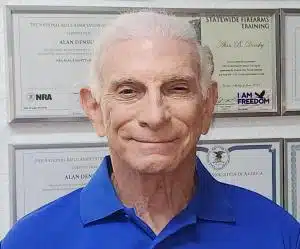
Alan B. Densky is the Founder & Lead Instructor at CCW Training Academy in Summerfield, FL. A former deputy sheriff, professional hypnotherapist, and scenario-based tactical instructor, Alan includes teaching firearms safety and self-defense laws in every course. He enjoys helping active adults 45+ build real-world defensive confidence through practical, competent firearms training.
Learn more about Alan B. Densky |
Read Student Reviews |
Get Trained, Get Real Confidence